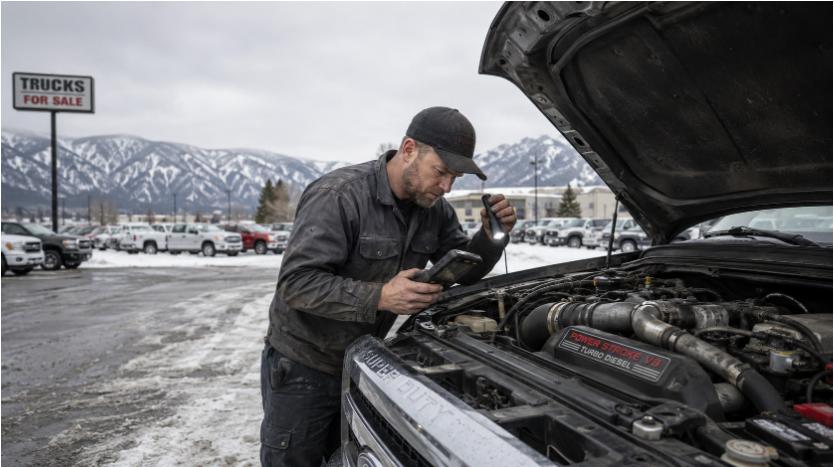
So you've decided a used diesel truck is the move. Smart call. Whether you're hauling a fifth-wheel through the Rockies, pulling equipment on a job site, or just tired of filling up a gas engine every three days, a diesel pickup delivers the kind of torque and fuel economy that makes the premium price tag worth it, provided you buy the right one.
The problem is, the used diesel market is full of landmines. A truck that looks clean on the outside can be sitting on a ticking emissions time bomb underneath. Here's what you need to know before you hand over the money.
Start With the Three Platforms
Most used diesel trucks in Canada come down to three engine families. Each has a reputation, and that reputation matters.
- Cummins (RAM 2500/3500): The 5.9L ISB (2003–2007) is legendary. It is simple, tunable, and built before modern emissions systems made everything complicated. The 6.7L that replaced it (2007.5+) is capable but comes loaded with DPF, EGR, and DEF systems that require ongoing attention. If those components are worn or failing, factor that into your offer price or walk away entirely.
- Power Stroke (Ford F-250/F-350): The 7.3L Power Stroke era trucks (1994–2003) are workhorses that collectors and tradespeople fight over. The 6.0L (2003–2007) is the problem child, known for head gasket and EGR cooler failures. The 6.4L and 6.7L are better, but again, emissions hardware is a major inspection point. Used 6.7 Power Stroke trucks with compromised EGR or DPF systems can hit you with thousands in unexpected repair bills.
- Duramax (GM 2500HD/3500HD): Generally more reliable across generations, but the LML (2011–2016) introduced a DEF system that owners have had mixed results with. The CP4 fuel pump issue on certain model years is also worth researching before you buy.
The Emissions System Inspection
This is where most buyers get burned.
Modern diesel pickups (2007 and newer) come equipped with a stack of emissions control hardware: the EGR, DPF, SCR, and DEF injection system. All of it is expensive to repair or replace at dealer prices.
Before buying any truck from the 2008–2020 era, pull the codes on the ECU with an OBD-II scanner. Pay close attention to:
- DPF regeneration cycles: A truck that's been doing excessive regens is working too hard and may have a clogged filter
- EGR valve codes: Carbon buildup on EGR valves is extremely common and causes rough idle, loss of power, and poor fuel economy
- DEF system codes: Faulty DEF injectors, pumps, or NOx sensors are expensive and can trigger limp mode
If you see recurring codes in any of these systems, either negotiate the price down significantly or walk. Replacement DPF units alone can run $1,500–$3,500 CAD installed.
It's also worth asking directly: has this truck been modified for off-road or work-only use? Many owners of high-mileage work trucks have sourced diesel EGR delete kits or DPF delete kits to extend the life of their powertrain and reduce maintenance costs, particularly trucks used exclusively on private land, farms, or job sites where emissions compliance isn't a factor. Knowing the truck's history helps you understand what you're inheriting.
Check the Turbo, Injectors, and Oil
Beyond emissions, these three things will tell you the real story of how a diesel was treated.
- Turbocharger: Listen for excessive whine, whooshing sounds, or lag under acceleration. Pull the intake hose and check for oil fouling inside. A small amount is normal, but excessive oil indicates a seal starting to fail. Turbo replacements on diesel pickups range from $800 to $2,500+ depending on the platform.
- Injectors: A diesel that misfires at idle, smokes excessively, or loses power under load may have worn injectors. Ask for maintenance records. Injector replacement on a Cummins or Power Stroke is a $2,000–$5,000 job.
- Engine oil: Pull the dipstick. Diesel oil gets darker faster than gas engine oil, so some darkening is expected, but if it's milky, gritty, or smells of fuel, you've got bigger problems. A milky appearance usually means coolant contamination, which is a head gasket story waiting to unfold.
Frame, Rust, and the Canadian Winter Tax
Never buy a Canadian diesel truck without getting underneath it. Road salt is brutal on frames, brake lines, fuel lines, and crossmembers. Check:
- Frame rails for rust-through
- Brake line condition along the frame
- Spare tire mount and hitch receiver, as these rot out first
- Underside of the cab corners and rear wheel wells
Ontario, Quebec, and the Prairie provinces salt their roads heavily. A truck that's spent its life in BC or Alberta backcountry might be cleaner underneath than one with half the mileage from southern Ontario.
What to Budget After Purchase
Even a clean used diesel truck will need something. Budget realistically:
- Fluid service (oil, coolant, transmission fluid, differential): $400–$700
- Glow plugs (if needed): $200–$500
- Belts and hoses inspection/replacement: $150–$400
- Emissions system maintenance or upgrades: varies widely depending on condition and intended use
If you're buying a work truck that will see farm, trail, or off-road use, it's worth understanding your options around diesel aftermarket parts and emissions components upfront. Knowing what components may need attention and what alternatives exist for your specific engine platform, saves you from being surprised six months in.
Final Word
Used diesel trucks are incredible value when bought right. The horsepower, the towing capacity, the longevity, nothing in the pickup segment touches a well-maintained diesel. But the key phrase is well-maintained, and that includes the emissions systems that most buyers don't fully understand until they're already stuck with a repair bill.
Do the inspection, pull the codes, get under the truck, and know your platform. If you do that homework, you'll drive away with a rig that'll outlast anything else on the road.