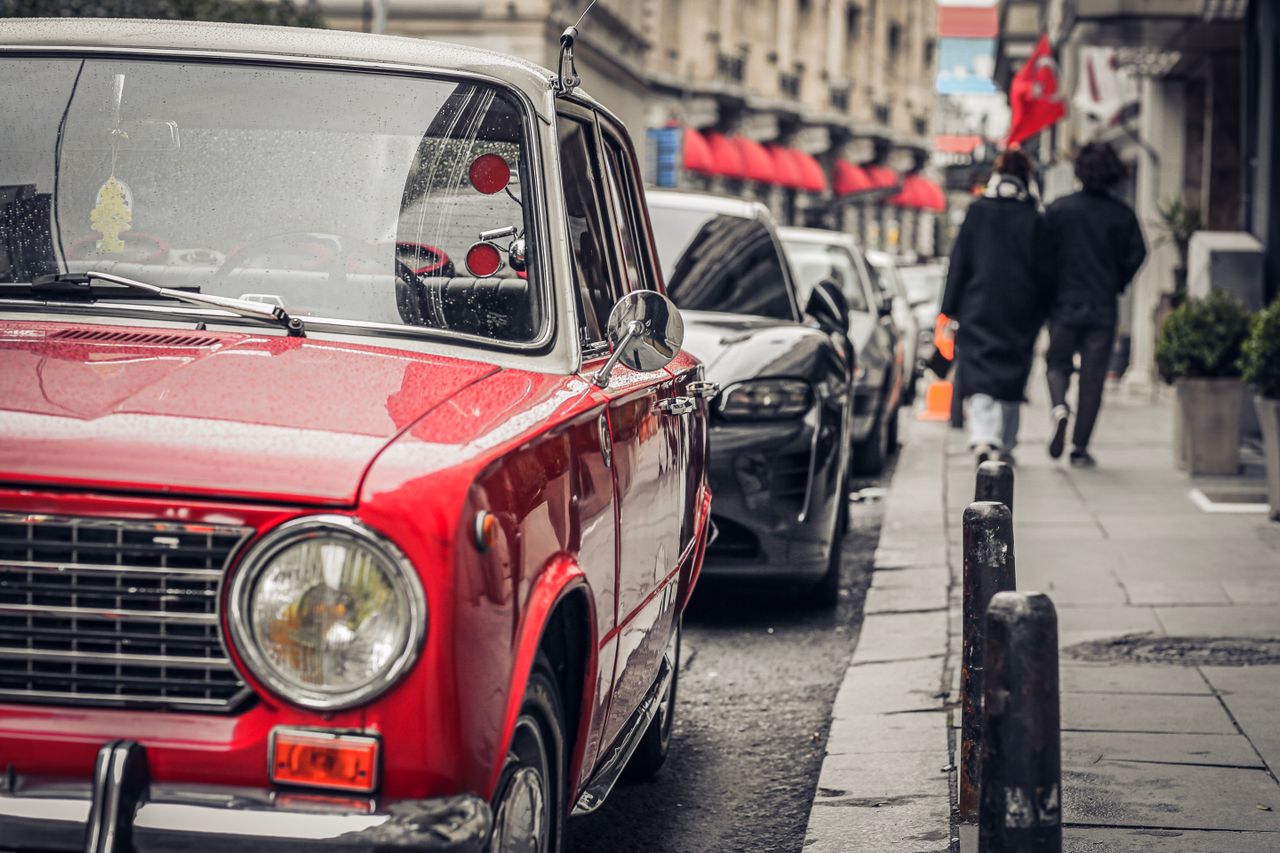
Buying a classic car once involved visiting dealerships, attending auctions, or travelling considerable distances to inspect a promising vehicle. Today, buyers can examine everything from exterior paintwork to engine compartments through detailed photographs before arranging a viewing.
Digital photography has made the classic car buying experience more accessible and convenient. However, attractive photographs do not always reflect a vehicle's true condition. Understanding how to evaluate online images, identify inconsistencies, and request additional photographs can help collectors make better purchasing decisions and avoid unexpected repair costs.
Classic Car Shopping Is Becoming More Accessible
Digital photography has removed many geographical barriers associated with classic car shopping. Buyers can explore vehicles across different regions without the immediate expense of travelling to see them.
For example, someone searching for a 1960s Ford Mustang can compare several listings, examining differences in paintwork, upholstery, engine configurations, and restoration quality.
Browsing classic car listings at Bramhall Classic Autos also allows buyers to become familiar with different models, vehicle specifications, and presentation styles before arranging a viewing.
Detailed photographs help buyers narrow their options and concentrate on vehicles that match their budget, condition requirements, and collecting interests.
What Digital Photographs Reveal About Classic Car Condition
A classic car's appearance can influence its perceived value, but attractive exterior photographs provide only part of the picture. Buyers should examine several areas of the vehicle to develop a more realistic understanding of its condition.
Exterior Paintwork and Body Panels
Close-up photographs of wheel arches, door edges, and body panels can reveal paint bubbles, scratches, corrosion, and irregular panel gaps.
Differences in paint colour between adjoining panels may indicate previous repairs or repainting. However, lighting conditions can also create colour variations, so buyers should request photographs taken outdoors in natural daylight before concluding.
Interior Materials and Original Features
Interior photographs help buyers evaluate upholstery, dashboard condition, carpets, steering wheels, and instrument panels.
Collectors interested in originality should compare these details with period photographs and factory specifications. Replacement seats or modern dashboard modifications may be acceptable for everyday driving but less desirable for someone purchasing a historically accurate vehicle.
Engine Compartments and Undercarriage
Engine photographs can reveal visible corrosion, modified components, deteriorated hoses, and possible fluid leaks. Undercarriage photographs are particularly important because structural corrosion can result in expensive repairs.
Request clear images of the floor pans, chassis, sills, and suspension mounting points. Fresh protective coatings should prompt questions about the condition of the metal underneath.
Restoration Photography Provides Greater Transparency
Restoration quality can significantly influence a classic car's value. Photographic records allow buyers to examine work completed before the vehicle was repainted, reassembled, or prepared for sale.
A comprehensive restoration album may show damaged metal being replaced, mechanical components being rebuilt, and original interior materials being preserved.
Consider two classic cars with equally attractive finishes. One has photographs documenting extensive structural repairs, while the other has no supporting records. Although both vehicles may look impressive, the documented restoration gives buyers more information about the work performed.
Photographs should be supported by repair invoices, service records, and independent inspections wherever possible.
Recognising Misleading or Artificially Generated Vehicle Images
Modern editing software allows sellers to adjust photographic brightness, contrast, and colour. However, excessive editing can conceal imperfections or create an inaccurate representation of a vehicle.
Buyers should pay attention to inconsistent reflections, unusual body contours, missing details, and differences between photographs supposedly showing the same car.
An AI image checker can serve as an additional screening tool when vehicle photographs appear suspicious or potentially computer-generated. However, detection results are not definitive proof of authenticity, and these tools cannot establish whether a seller actually owns the advertised vehicle.
Reverse image searches can also help identify photographs reused from previous auctions or unrelated advertisements. If identical images appear across listings with different sellers, locations, or prices, further investigation is necessary.
Comparing Classic Car Listings Beyond Their Appearance
Professional photography can make an ordinary vehicle appear exceptional, while poor lighting may make a well-maintained classic car look less appealing. Buyers should avoid allowing photographic quality alone to influence their purchasing decisions.
When comparing two similar vehicles, examine photographs of the same areas, including body panels, interior fittings, and engine compartments. Consider visible wear, replacement components, and documented repairs alongside the asking price.
A classic car with minor cosmetic imperfections but sound mechanical and structural condition may offer better value than a beautifully photographed vehicle requiring extensive repairs.
How to Request Better Photographs Before Buying
Some sellers provide limited photographs because they are unfamiliar with the details collectors consider important. Requesting specific images can resolve questions before spending money on travel or inspections.
Ask the seller to provide recent photographs showing:
-
All four corners of the vehicle in natural daylight.
-
Close-ups of scratches, dents, and visible corrosion.
-
Door sills, wheel arches, and the boot floor.
-
Engine compartments and accessible identification plates.
-
Dashboard instruments and interior fittings.
-
Undercarriage condition and previous structural repairs.
Buyers concerned about outdated photographs can request a new image showing the vehicle beside a handwritten note containing the current date. A live video walkaround can provide further reassurance, although neither method replaces ownership verification.
Understanding What Photographs Cannot Tell You
Even excellent digital photographs have limitations. They cannot reliably demonstrate how smoothly an engine runs, whether a transmission shifts correctly, or how effectively the brakes operate.
Mechanical problems, electrical faults, water leaks, and corrosion hidden beneath carpets or body panels may remain undetected.
Before committing to a purchase, arrange an independent inspection, particularly when purchasing a rare or expensive classic car remotely. A qualified specialist can assess mechanical performance, structural integrity, and potential restoration expenses.
Buyers should also check whether the vehicle's identification details match its ownership and registration documents. An attractive collection of photographs cannot compensate for missing paperwork or an unclear ownership history.
Why Accurate Photography Benefits Classic Car Sellers
Honest photography helps sellers establish realistic expectations and attract serious buyers. Showing imperfections alongside attractive features demonstrates transparency and gives potential customers a clearer understanding of the vehicle.
Consistent lighting, multiple viewing angles, and detailed photographs of restoration work can make listings more informative. Sellers should also update older images if the vehicle's condition changes.
Clear photographic documentation can reduce misunderstandings during negotiations and help both parties approach the transaction with greater confidence.
Conclusion
Digital photography has transformed the classic car buying experience by improving accessibility, supporting vehicle comparisons, and making restoration details easier to examine. Buyers can now conduct more detailed research before travelling to dealerships or meeting private sellers.
However, photographs should be treated as a starting point rather than a substitute for physical inspections. By requesting recent images, checking documentation, investigating suspicious listings, and arranging professional assessments, buyers can make better-informed decisions while reducing the financial risks associated with purchasing a classic automobile.