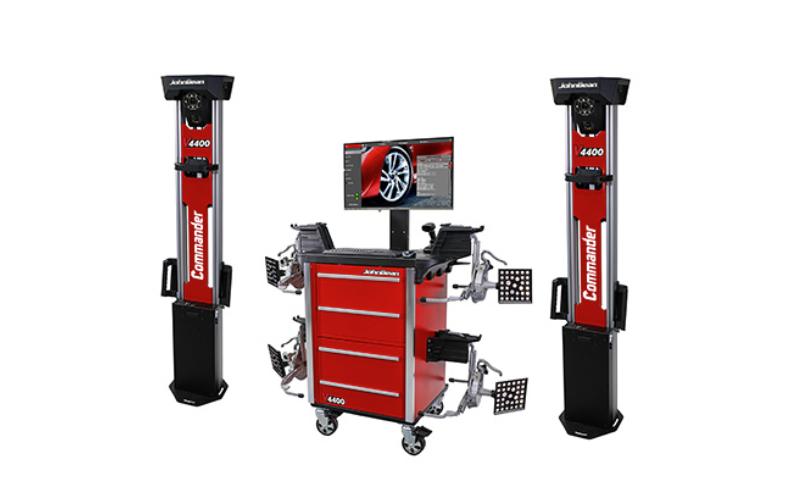
Ask any veteran wrench-turner what separates a smooth restoration job from a frustrating one, and the answer often comes down to the tools in the bay — not just the wrenches and lifts, but the equipment that handles the unglamorous work. Tire changing is one of those tasks that looks simple until you're wrestling with a stubborn bead on a set of vintage wire wheels or trying not to scuff a freshly restored rim. That's where modern tire changing equipment earns its keep.
Today we're looking at how upgraded tire changers are reshaping the workflow in classic car shops, cutting down on wasted time, and — just as importantly — keeping technicians safer around heavy, high-pressure components.
Why Old-School Methods Fall Short
For decades, shops relied on manual levers, hammers, and brute force to break down and remount tires. It worked, but it came with a cost: bent rims, scratched finishes, and no shortage of pinched fingers. On classic and antique vehicles, where original wheels can be irreplaceable, that margin for error simply isn't acceptable anymore.
Manual methods also eat up labor hours. A job that should take fifteen minutes can stretch to forty-five when a bead won't break loose, and that time adds up fast across a shop juggling multiple restorations at once.
What Changed With Modern Equipment
Newer tire changers use a combination of pneumatic assist, adjustable clamping, and rim-protective components to handle everything from low-profile modern radials to the taller sidewalls and delicate rims found on classic cars. The clamping systems are designed to grip without marring, and the bead-breaking mechanisms apply consistent, controlled force instead of relying on a technician swinging a mallet.
Equipment from established manufacturers like John Bean Equipment has become a common sight in shops that handle both daily-driver work and restoration projects, largely because the machines are built to adapt to a wide range of wheel sizes and tire types without needing a separate setup for "old" versus "new."
The Safety Argument
Tire work is deceptively dangerous. A tire seated improperly on a rim, combined with high inflation pressure, can cause serious injury if something lets go unexpectedly. Modern changers reduce that risk by controlling the mounting process mechanically rather than leaving critical steps to hand strength and guesswork. Integrated inflation cages and pressure-limiting features add another layer of protection that older manual setups simply didn't have.
For a shop owner, that's not just a technician-safety issue — it's a liability and insurance consideration too.
Efficiency That Adds Up
Beyond safety, the time savings are real. Faster, cleaner tire changes mean a shop can turn around more vehicles in a week without adding staff. For restoration specialists working on a fixed budget or timeline, that efficiency can be the difference between a project staying on schedule or falling behind.
It's a small piece of equipment in the grand scheme of a restoration bay full of lifts, welders, and paint booths but it's one that pays for itself quickly in reduced downtime and fewer damaged parts.
Final Thoughts
Classic car work will always require patience, skill, and respect for original components. But there's no reason the supporting equipment in the shop can't be modern. Upgrading something as routine as a tire changer is a practical way to protect both the vehicles coming through the door and the people working on them.